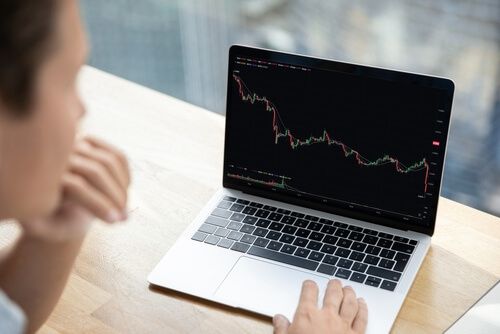
Trading with real money can be stressful, especially when prices move quickly. A position that looked promising earlier can suddenly show a loss. On the other hand, watching gold or a currency pair rise without having an open position can make traders feel they are missing an opportunity.
These situations can lead to decisions that were never part of the original trading plan. Some traders close positions too early because they are worried about losing more money. Others enter the market after a sharp price movement, hoping to catch the rest of the move.
Knowing how these reactions affect trading can help beginners avoid making decisions in a hurry.
Why Losing Trades Can Be Difficult?
Nobody likes seeing a trade move into a loss. The problem starts when the loss changes how a trader makes decisions.
For example, someone trading EUR/USD may close a position as soon as the price moves against them, even though it has not reached their planned exit level. Another trader might keep a losing position open, hoping the market will eventually recover.
In both cases, the original trading plan is no longer guiding the decision.
For people who want to start trading but do not know where to begin, understanding how losses work is an important first step. No trading strategy or market analysis can guarantee a profit, and even experienced traders have losing positions.
Before entering the market, it helps to understand what could affect the trade and how much money is at stake.
How FOMO Affects Trading?
Fear of missing out, usually called FOMO, can push traders to enter the market after prices have already moved sharply.
This often happens around major economic announcements or when a particular market attracts a lot of attention. A sudden rise in gold prices, for example, may encourage traders to buy without checking what caused the movement.
However, a strong price move does not mean the market will continue in the same direction. By the time a new position is opened, prices may already be changing course.
Social media can add to the pressure. Seeing other traders post screenshots of profitable positions might make an opportunity look easier than it really was. Those posts rarely show every loss or the risks involved.
Missing a market move does not cost money on its own. Entering at the wrong time, without understanding the trade, can.
What Can Help Traders Make Better Decisions?
Check the market before opening a position
A trade should have a clear reason behind it. That might be a certain price level, an economic announcement or a trading setup that the trader already understands.
It helps to decide what would justify opening the position and when it should be closed.
For instance, someone following EUR/USD might wait for a planned entry level instead of buying immediately after a sudden rise.
This gives the trader something to follow besides the latest movement on the screen.
Practise before trading with real money
Many beginners are interested in trading but are not sure where to start. Getting familiar with the trading platform can make the first steps easier.
A demo account allows users to practise trading without risking real money. Traders can open and close positions, follow prices and learn how different orders work using virtual funds.
It is useful for getting comfortable with the tools, although demo trading does not fully reflect live trading conditions or the experience of making financial decisions with real money.
XTrade offers a getting started guide for anyone learning the basics of online trading.
Understand the risk before placing an order
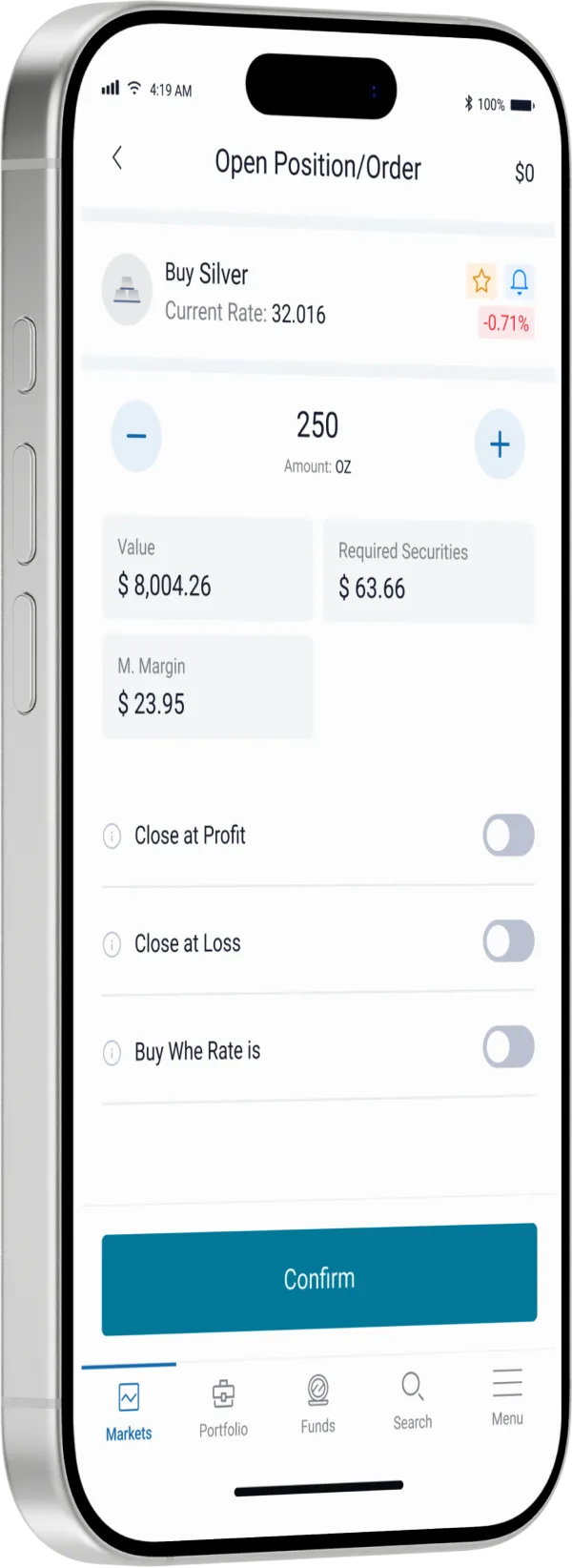
When trading CFDs, traders should know how position size, margin and leverage affect their exposure to the market.
Leverage allows traders to control a larger position with a smaller amount of capital, but it also increases the potential for losses.
A Stop Loss order can help manage risk, although fast price movements may cause an order to be executed at a different price from the one selected.
Checking these details before placing an order can prevent unpleasant surprises later.
Avoid trying to recover a loss straight away
After closing a losing position, some traders open another trade immediately to try to win the money back.
This is often called revenge trading. Instead of looking for a new opportunity, the trader is focused on recovering the previous loss.
The next position carries its own risks, regardless of what happened in the last trade.
Reviewing the previous decision and taking time away from the screen can be more useful than rushing into another position.
Does the Trading Platform Make a Difference?
An easy to use trading platform can make everyday tasks simpler, particularly for people who are still learning how online trading works.
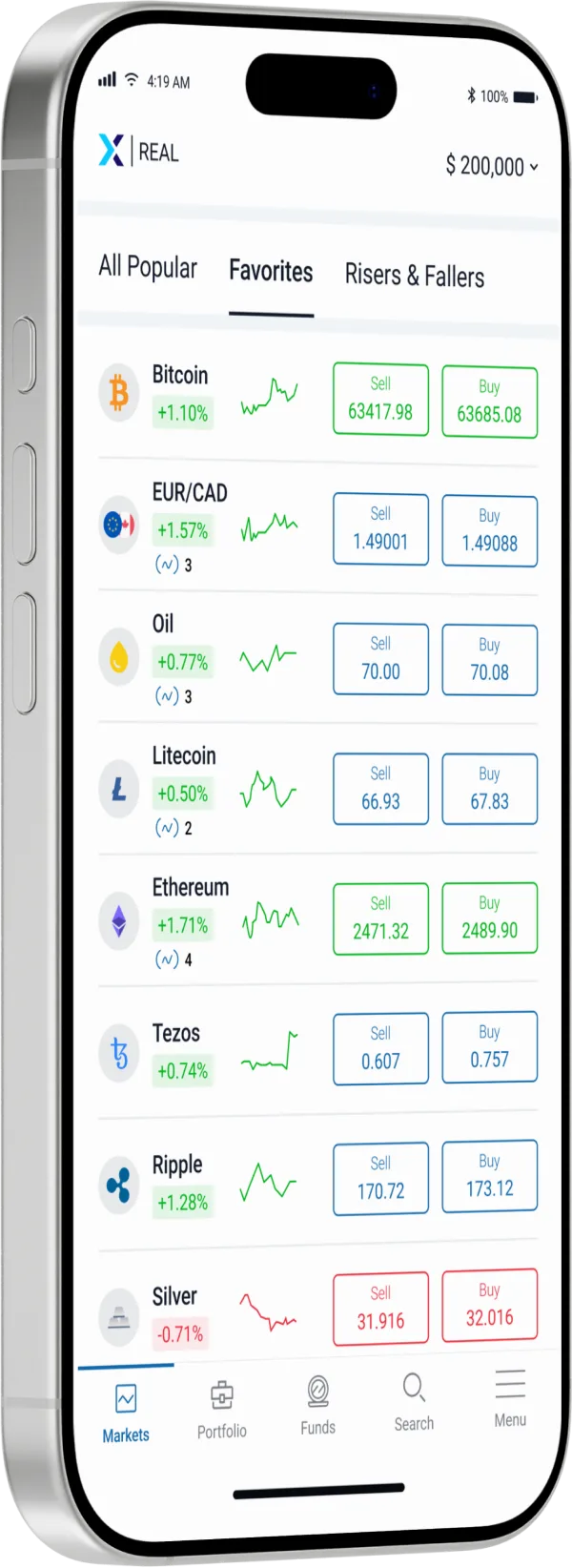
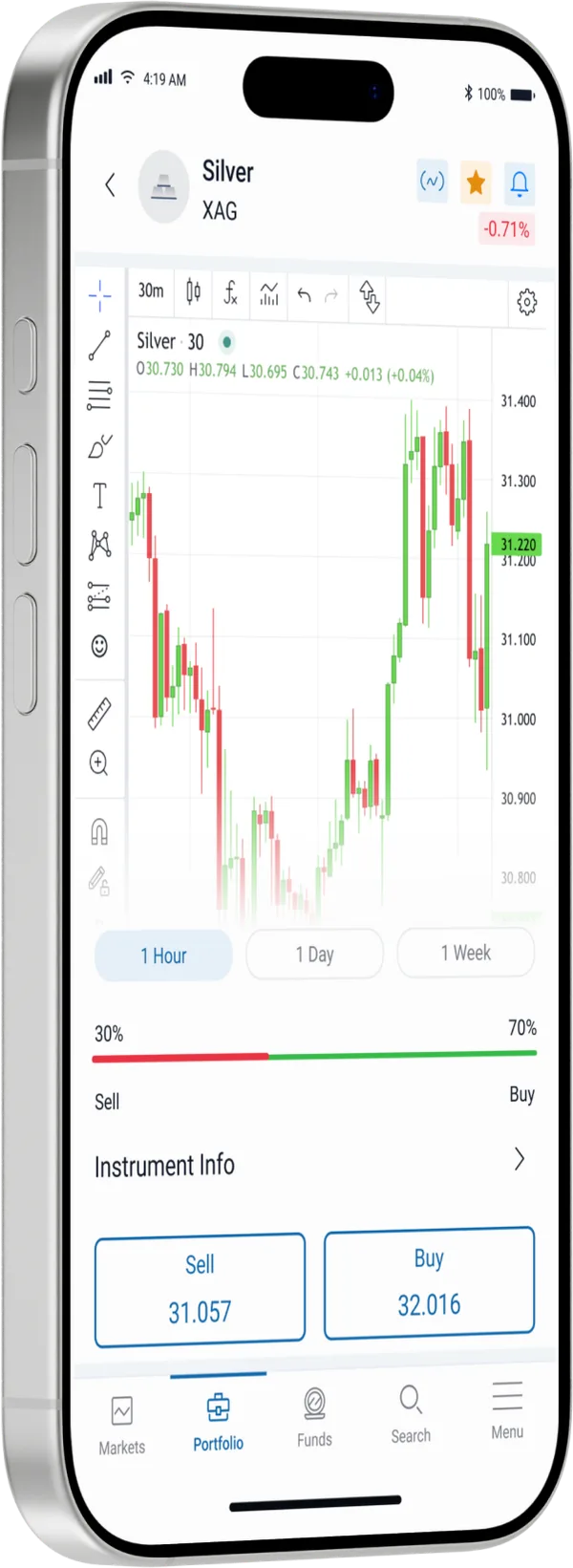
When choosing a trading platform for beginners, it helps to check how easily users can find price charts, order details, open positions and risk management tools.
Someone comparing trading platforms for new traders should also look at how orders are placed and how the account information is displayed.
A trading platform suitable for beginners should make these features easy to access without unnecessary steps.
Even the best trading platform for a beginner cannot remove market risk. Understanding the tools matters, but the trader still needs to decide when a position makes sense.
What to Check After Each Trade
Checking previous trades can help traders spot habits they might not notice while trading.
A simple trading journal can include the reason for entering, the planned exit, the result and whether the trader followed the original plan.
For example, someone might notice that they often enter after a sharp increase in price. Another trader may discover that they tend to close positions too early after small losses.
It is worth reviewing profitable trades as well. Making money on a position does not always mean the decision was well planned.
Taking a More Careful Approach to Trading
Fear of losing money and FOMO can affect beginners and experienced traders alike. Both become a problem when they lead to trades that were not properly considered.
For someone taking their first steps in online trading, practising with virtual funds and understanding the available trading tools can provide useful experience before moving to a live account.
The market will continue moving whether a trader opens a position or not. There is no need to follow every price change or enter every possible trade.
What matters is understanding the position, knowing the risks and having a reason for each decision.